
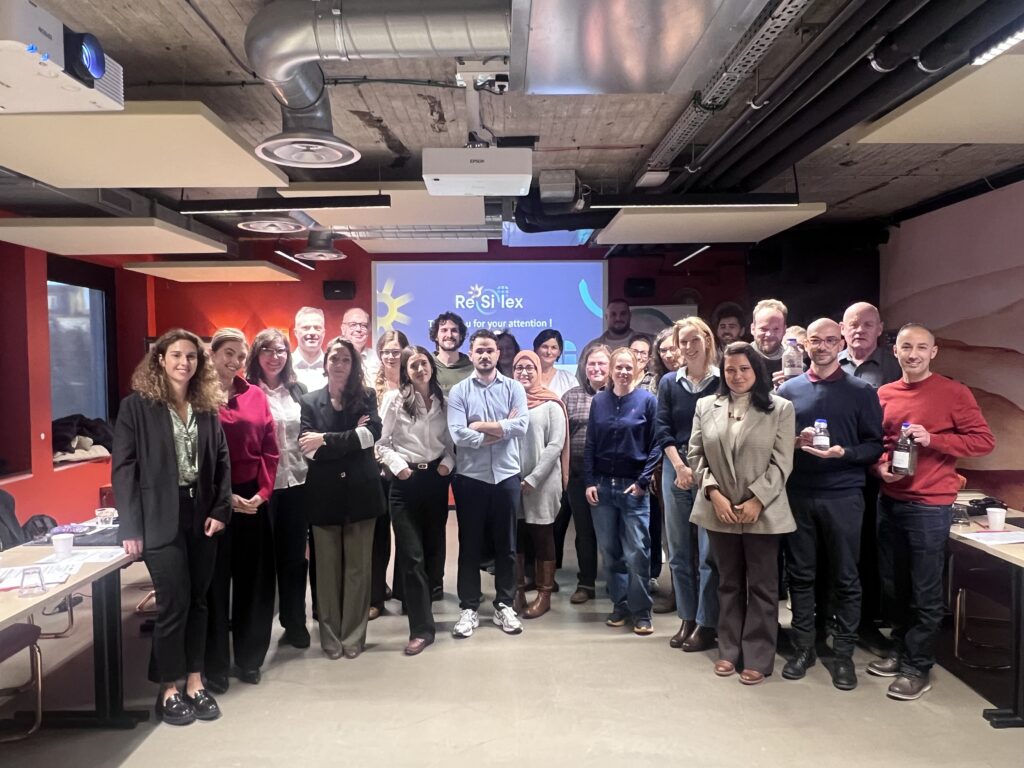
From mining waste recovery to photovoltaic recycling and battery materials, RESILEX has demonstrated technologies that support a more resource-efficient European silicon value chain. Its latest results also provide practical lessons for future research and industrial deployment.
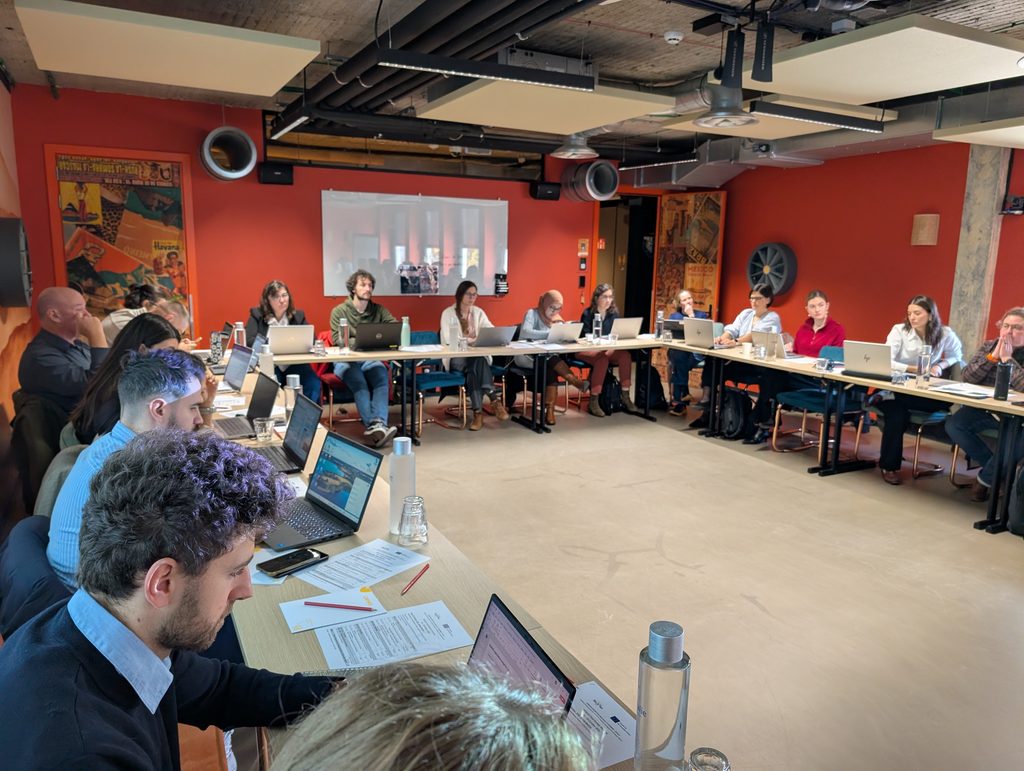
At the RESILEX review meeting held on 29 October 2026 in Brussels, consortium partners discussed technical achievements, industrial applications and lessons learned. Supported by the European Union’s Horizon Europe programme, the project connects raw-material recovery, sustainable silicon production, photovoltaic eco-design, end-of-life panel recycling and the reuse of silicon in lithium-ion batteries.
From secondary resources to new applications
In sustainable silicon production, partners reported producing metallurgical-grade silicon using an aluminothermic route involving secondary raw materials supporting the investigation of alternative silicon feedstocks for photovoltaic applications.
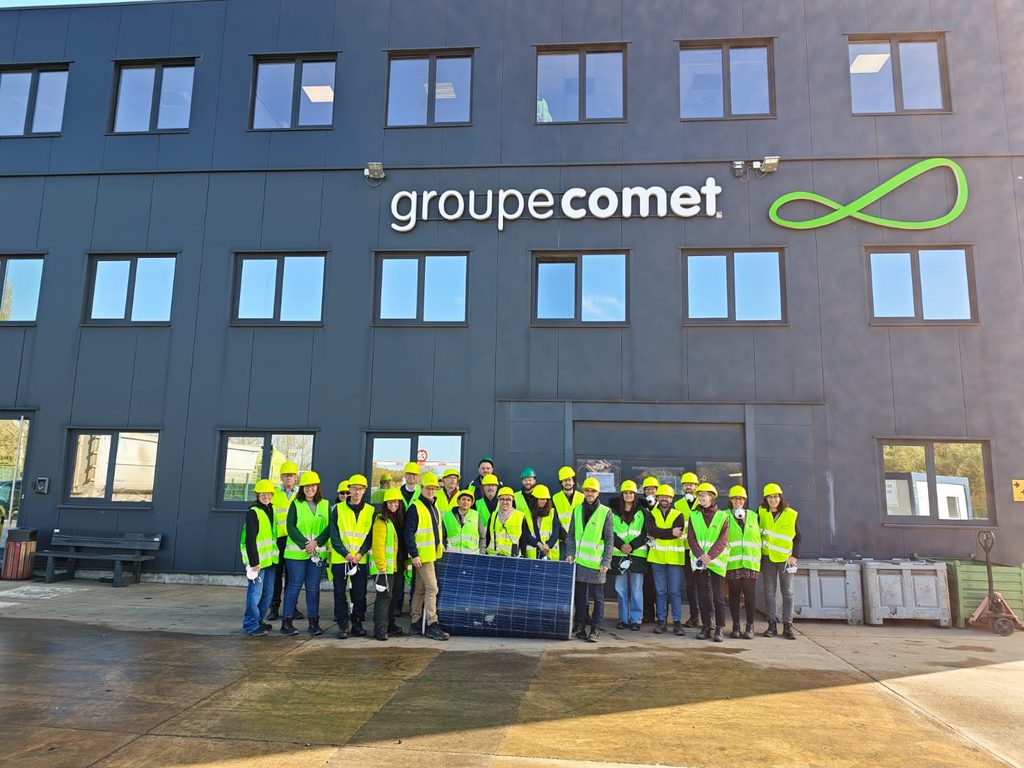
Photovoltaic recycling activities demonstrated the importance of combining industrial dismantling with advanced material separation. The work also connected recovered materials with downstream users. Purification tests achieved silicon grades of up to 98.5% in the recycling work and up to 99.99% for a sample further purified within the battery work package.
These results support the potential for recovering silicon for higher-value applications. The precise silicon recovery rate remains subject to uncertainty because the initial silicon content of mixed incoming panel batches could not be directly established.
Recycled silicon for battery materials
RESILEX demonstrated a route for converting silicon recovered from end-of-life photovoltaic panels into silicon/carbon composite anode materials. These achievements provide a basis for further development and qualification of recycled-silicon battery materials. Confirmation of the targeted energy-density improvement requires additional validation.
Industrial opportunities and lessons learned
The consortium identified promising exploitation opportunities in photovoltaic dismantling and material recovery, the next steps depend on each technology’s maturity and include industrial qualification, scale-up, replication and engagement with manufacturers.
The review also identified priorities for future research. Frontsheet materials, selected encapsulant formulations, indium-free tin-oxide layers and pure-copper pastes merit further development. The bio-sourced backsheets and backsheets containing one-third recycled PET tested in the project did not deliver satisfactory results in their current configurations.
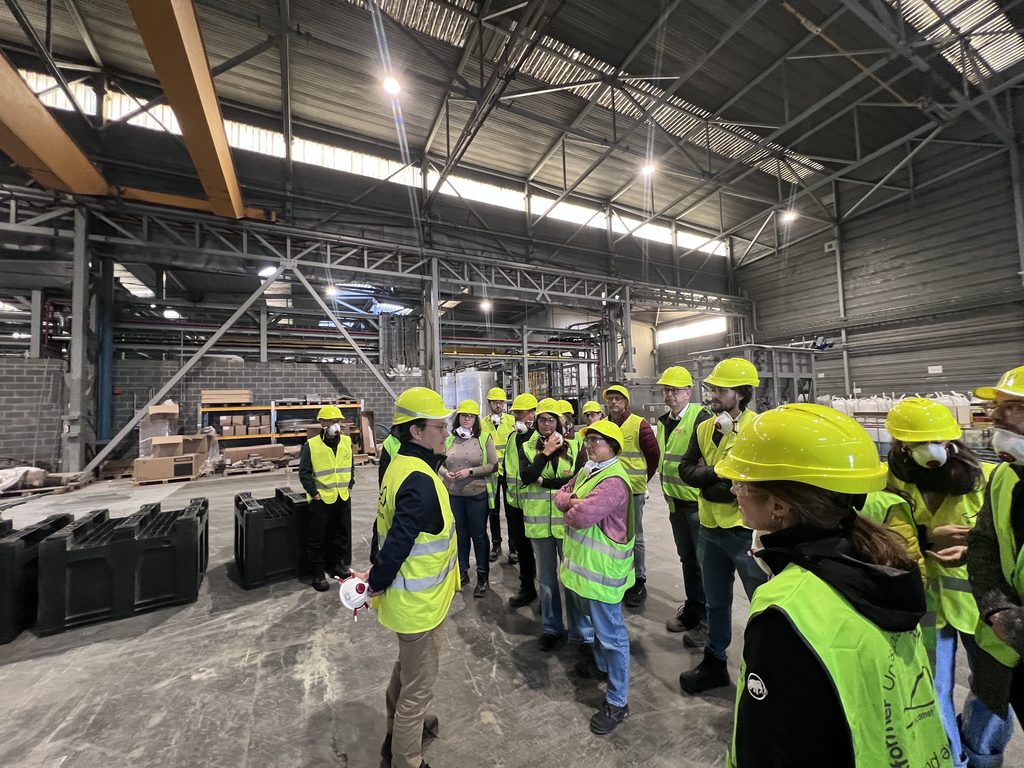
Across these activities, partners highlighted a shared lesson: successful circular innovation requires early coordination between technology developers, assessment teams and industrial users. Future projects should establish clearer technical benchmarks, integrate life-cycle assessment from the outset and connect material flows across work packages through an overall process diagram.
For ISMC as coordinator of the project, these findings reinforce the value of collaboration across mining, recycling, photovoltaic and battery industries. RESILEX provides demonstrated processes, material samples and technical knowledge that can inform the next generation of European circular raw-material solutions.
Congratulations to all consortium partners who have made these results possible. Special thanks also to Ewelina, Andrej and Wilfried.
RESILEX receives funding from the European Union’s Horizon Europe research and innovation programme under Grant Agreement No. 101058583.